Unlock Creativity with Puzzle Vector Illustration Design
In the realm of visual communication, the tools we choose dictate the story we tell. The Puzzle Vector Illustration Concept Design is more than just a set of graphics; it is a versatile visual language built on the metaphor of connection, structure, and complexity. For designers, marketers, and content creators, vector-based puzzle assets offer a robust foundation for projects that require a sense of order mixed with creativity. Whether you are building a brand identity for a tech startup or designing educational materials, understanding how to leverage these assets is key to professional results.
Visual Characteristics and Appeal
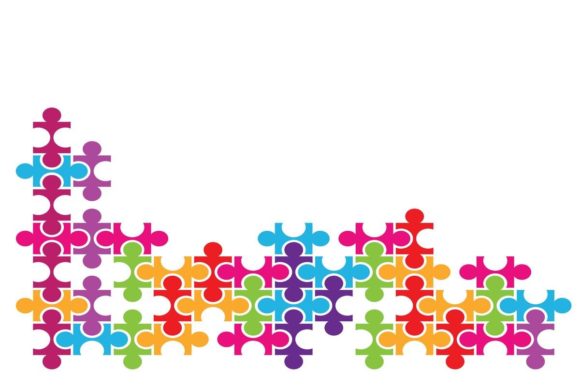
The core appeal of the Puzzle Vector Illustration Concept Design lies in its clean, geometric precision combined with organic connectivity. Visually, these assets typically feature interlocking shapes, flat design aesthetics, and scalable paths that maintain crispness at any resolution. This style avoids the clutter of overly detailed raster images, opting instead for a modern, minimalist approach that communicates clarity. The personality of these illustrations is inherently logical yet playful. They suggest that disparate elements can come together to form a unified whole, making them an ideal choice for projects that emphasize teamwork, integration, or problem-solving.
From a stylistic perspective, the vector format ensures that the color palette is easily customizable. This allows designers to adapt the Puzzle Vector Illustration Concept Design to fit specific brand guidelines without losing image quality. The versatility of the EPS file format means you can deconstruct the illustration, rearrange individual puzzle pieces, or isolate specific elements to use as icons or background textures. This modularity is a significant advantage for creative professionals who need to stretch a single asset across multiple platforms.
Strategic Applications in Marketing and Branding
When it comes to practical application, the Puzzle Vector Illustration Concept Design excels across a wide spectrum of media. For brand identity, these assets are powerful. A tech company might use the interlocking motifs in their logo design to symbolize seamless integration or connectivity. In packaging design, a puzzle pattern can create a tactile, engaging texture that invites the consumer to interact with the product. The inherent "solved" state of the puzzle image conveys a sense of completeness and reliability—traits every brand wants to project.
In the digital space, the applications are equally diverse. Web design benefits greatly from scalable vectors; they load faster than high-res bitmaps and look sharp on retina displays. Use the Puzzle Vector Illustration Concept Design as hero images on landing pages to explain complex services or as engaging backgrounds for "About Us" sections. For social media graphics, the bold, geometric shapes of puzzle pieces are attention-grabbing. They provide a structured way to layout information in carousels or infographics, guiding the viewer's eye from one piece of content to the next.
For editorial design and publishing, these illustrations add a professional polish. A magazine article about business strategy or a blog post about mental health can use puzzle imagery to break up text and visualize abstract concepts. Because the assets include JPG files, they are immediately ready for use in quick digital uploads, while the EPS files serve the needs of high-end print production like flyers and posters.
Influencing Audience Perception and Engagement
Visual hierarchy is a fundamental principle of design, and the Puzzle Vector Illustration Concept Design naturally aids in establishing it. The distinct edges of puzzle pieces create strong lines that can act as containers for text or focal points for a layout. This structural quality influences readability by organizing information into digestible chunks. When a viewer sees a puzzle layout, they subconsciously understand that the elements are related and part of a larger system. This reduces cognitive load and increases engagement.
Consistency is another critical factor in professional design. By using the same vector set across different touchpoints—from a website header to a printed brochure—you reinforce brand recognition. The Puzzle Vector Illustration Concept Design acts as a visual anchor. Even if the specific content changes, the underlying theme of "connected pieces" remains, creating a cohesive experience for the audience. This consistency signals professionalism and attention to detail, which builds trust with potential customers.
Practical Guidance for Implementation
Integrating the Puzzle Vector Illustration Concept Design into your workflow requires a few practical considerations to ensure the best fit for your project. Here is how to approach it:
- Evaluating Project Fit: Before selecting this asset, ask yourself if your message benefits from metaphors of connection or assembly. If you are marketing a standalone product, a different illustration style might be better. If you are explaining a process or a relationship between ideas, this is the perfect choice.
- File Format Selection: The included EPS file is your workhorse for serious editing. If you need to recolor the puzzle pieces to match a specific modern typography palette or merge the illustration with other design assets, use vector software like Adobe Illustrator. The JPG file is best for immediate placement in documents or web uploads where editing isn't required.
- Font Pairing and Typography: Because the illustration is geometric and structured, it pairs well with clean typefaces. Consider a sans serif font for body text to maintain that modern, uncluttered feel. For headlines, a bold display font or a premium font with distinct character can create a strong contrast against the organized puzzle background. Avoid overly ornate script fonts or handwritten fonts that might clash with the precise nature of the vector art.
- Readability Considerations: When placing text over or near the illustration, ensure high contrast. If using the puzzle as a background, consider lowering the opacity or using a specific piece of the puzzle as a distinct container for your copy. This ensures your message remains the hero while the illustration supports it.
From Digital to Print
The true power of the Puzzle Vector Illustration Concept Design is its ability to transition seamlessly between mediums. For a small business owner, this means you can design a digital ad campaign and then use the exact same assets to create physical flyers or posters without pixelation issues. This versatility is crucial for maintaining a brand identity that feels established and reliable.
For content creators and bloggers, the puzzle concept is a fantastic way to visualize "listicle" content or step-by-step guides. Instead of standard bullet points, you can arrange content blocks to look like puzzle pieces fitting together. This not only makes the content more visually interesting but also reinforces the idea that each step is necessary to complete the whole picture.
Ultimately, the Puzzle Vector Illustration Concept Design is a strategic tool. It moves beyond simple decoration to offer a functional framework for organizing information and conveying complex ideas simply. By utilizing the included EPS and JPG files effectively and pairing them with appropriate typography, you can elevate your creative projects from amateur sketches to professional, polished communications that resonate with your audience.